



Degree Programme in
Electrical Engineeringingegneria-elettrica
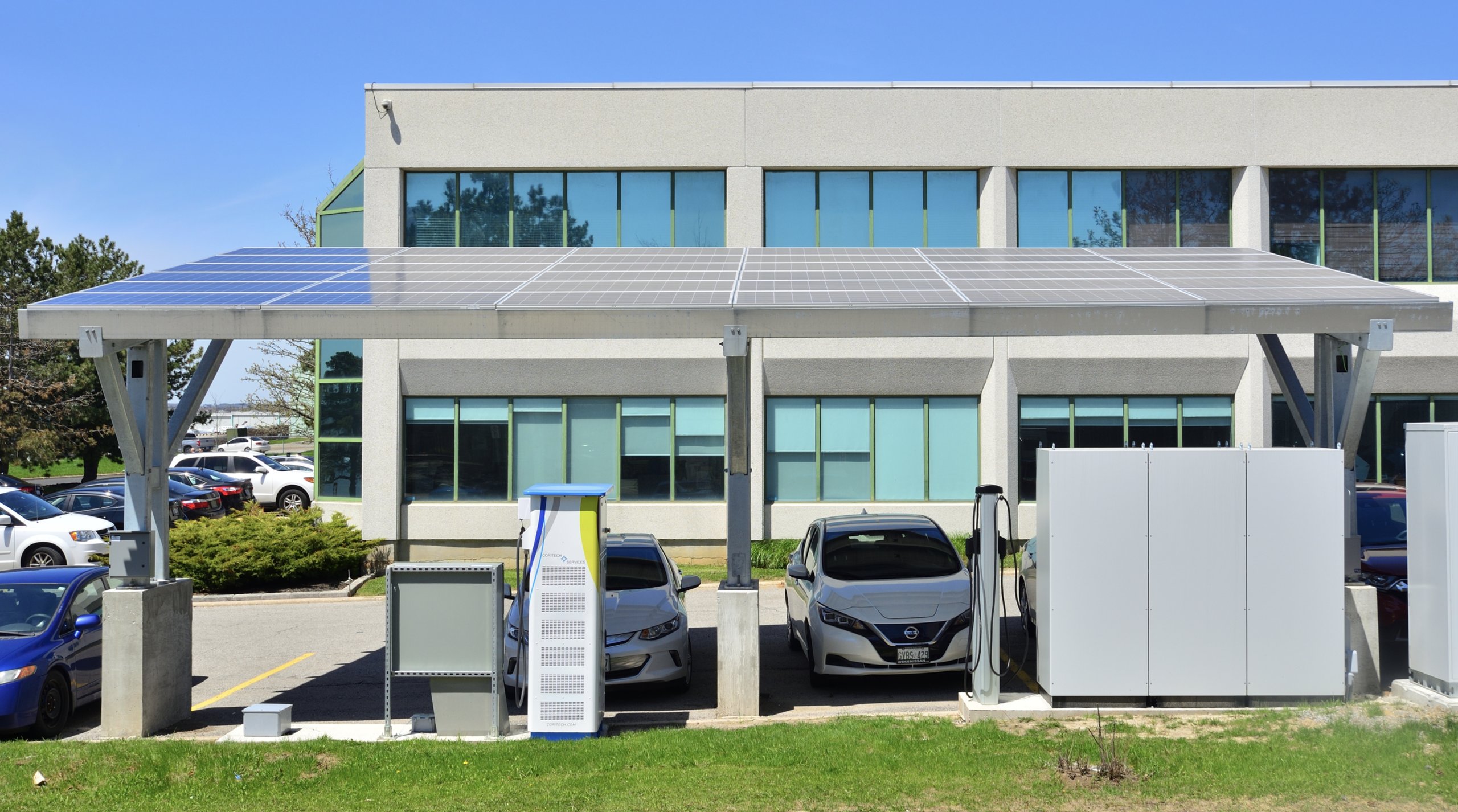


Design the energy that powers the world
Thesis Guidelines
In this section, students enrolled in the Bachelor’s Degree or Master’s Degree in Electrical Engineering at the University of Naples Federico II can download the Microsoft Word or LaTeX template for preparing their final dissertation or Master’s thesis.
The template includes guidelines on document formatting, the presentation of results, and the organization and content of thesis chapters.
The thesis must be written as a single document and submitted to the supervisor(s) and co-supervisor(s) upon completion of the work. The final printed version must be double-sided. For this reason, the template uses a different page layout for odd- and even-numbered pages.
The first page of each chapter must begin on an odd-numbered page. To ensure that a blank page is inserted automatically when necessary, end the previous chapter with a section break.
Download Templates
- Microsoft Word Template: Word Template
- LaTeX Template: Latex Template
The title page (Microsoft Word format) can be downloaded here: Title Page.
Thesis Presentation
Students are required to present their thesis work through an oral presentation supported by a Microsoft PowerPoint presentation.
The allocated presentation time is:
- Approximately 7 minutes for the Bachelor’s thesis.
- Approximately 12 minutes for the Master’s thesis.
Students are free to design the presentation in the style they consider most appropriate.
For reference only, an example presentation template is available here: Presentation Example.

A partire dall’anno accademico 2025/2026, l’Università degli Studi di Napoli Federico II introduce un nuovo sistema per la raccolta delle opinioni delle studentesse e degli studenti (ROPiS), previsto dalla Legge n. 370/1999 e dal D.M. n. 1154/2021. La rilevazione delle opinioni costituisce un momento essenziale per migliorare in modo continuo la qualità della didattica e dei servizi offerti dai Corsi di Studio.
La finestra per la compilazione dei questionari online dedicati agli insegnamenti del primo semestre rimarrà disponibile fino al termine del semestre.
Il sistema aggiornato prevede due tipologie di questionari:
-
Questionario sull’Insegnamento (SQ-Ins), riferito al singolo corso o modulo, che raccoglie valutazioni sulla chiarezza del docente, sui materiali forniti, sull’organizzazione dell’insegnamento e sulla soddisfazione complessiva;
-
Questionario sul Corso di Studio (SQ-CdS), relativo al funzionamento generale del Corso di Laurea (aule, orari, servizi, connessioni, biblioteche, ecc.).
Il SQ-Ins va completato una volta per ogni insegnamento seguito nel semestre, mentre il SQ-CdS deve essere compilato una sola volta per semestre. Entrambi includono due domande filtro, introdotte per assicurare che lo studente risponda solo alle sezioni pertinenti alla propria reale esperienza didattica.
Si suggerisce di svolgere la compilazione direttamente in aula utilizzando dispositivi personali come smartphone o tablet.
A tale fine: è necessario prevedere una pausa della lezione durante la quale invitare gli studenti a compilare i questionari. Sarà cura del docente prevedere un momento da dedicare alla “compilazione dei questionari” prima della fine del semestre ed eventualmente attivare interventi correttivi. I componenti del GLOS effettueranno, ove possibile, un giro delle aule delle sedi di Ingegneria per ricordare e sollecitare tale attività.
La procedura è interamente online. Per accedere ai questionari occorre visitare https://sondaggi.unina.it, piattaforma ufficiale per i “Questionari Valutativi” della didattica, oppure utilizzare l’app ESOL, disponibile per Android e iOS, effettuando l’accesso con le credenziali istituzionali (nome utente della mail @studenti.unina.it o codice fiscale e la password associata alla posta elettronica).
Gli studenti non frequentanti possono compilare il questionario al momento della prenotazione dell’esame: se il SQ-Ins non è stato ancora completato, il sistema lo proporrà automaticamente. Tuttavia la compilazione non è obbligatoria e non impedisce la prenotazione dell’esame. Dopo aver prenotato, il questionario non sarà più disponibile. Lo stesso vale per il SQ-CdS: se non ancora compilato per il periodo didattico di riferimento, viene richiesto al momento della prenotazione degli esami collegati a quel periodo, senza influenzare la possibilità di prenotarsi.
Sebbene non sia un requisito per prenotare l’esame, la compilazione dei questionari è altamente consigliata: le risposte restano completamente anonime e i dati saranno utilizzati esclusivamente per migliorare la qualità dell’offerta formativa e dei servizi.
Importante: eventuali problemi o irregolarità riscontrati nella propria scheda ESOL devono essere segnalati al CSI tramite e-mail all’indirizzo: This email address is being protected from spambots. You need JavaScript enabled to view it.
Information notice
Privacy and Cookie Policy
Information on the processing of personal data and the use of cookies when browsing this website.
Scope of this notice
This notice describes how the personal data of users who visit the website of the Degree Programme in Electrical Engineering at the University of Naples Federico II are processed, pursuant to Article 13 of Regulation (EU) 2016/679.
This information applies exclusively to this website and does not cover other websites, pages or online services accessed through external links.
Data Controller
The Data Controller is the University of Naples Federico II, with registered office at Corso Umberto I, 40 – 80138 Naples, Italy, represented by the Rector pro tempore.
Email: This email address is being protected from spambots. You need JavaScript enabled to view it.
Certified email: This email address is being protected from spambots. You need JavaScript enabled to view it.
Data Protection Officer
The University’s Data Protection Officer, also referred to as the DPO, can be contacted at the University of Naples Federico II, Via Giulio Cesare Cortese, 29 – 80133 Naples, Italy.
Email: This email address is being protected from spambots. You need JavaScript enabled to view it.
Certified email: This email address is being protected from spambots. You need JavaScript enabled to view it.
Data processed and purposes
Information systems may automatically collect technical data required for browsing, including the IP address, browser type, operating system, requested pages, and date and time of access. These data are used to ensure the operation and security of the website and, where necessary, to establish responsibility in the event of cybercrime.
When users voluntarily send messages to the email addresses published on the website, the data they provide are processed solely to respond to their request and carry out the related institutional activities.
Cookies used
Cookies are small text files that a website may store in a user’s browser. This website uses only technical cookies required for the operation of the Joomla platform, browsing security, and the storage of the user’s choice to dismiss the cookie notice.
Cookies are not used for advertising, commercial or profiling purposes. The website does not use Google Analytics, Google Tag Manager or similar user analytics and tracking tools.
External links
Pages may contain links to institutional websites, social networks or other services managed by third parties. A simple link does not install cookies from those parties through this website. After opening an external website, the processing of data is governed by the privacy notice published by its operator.
Managing cookies
Users can delete or block cookies through their browser settings. Disabling technical cookies may prevent certain website features or any restricted areas from operating correctly.
Data subject rights
Where provided for by Regulation (EU) 2016/679, data subjects may exercise their rights of access, rectification, erasure, restriction of processing, objection and data portability. They may also withdraw any consent given without affecting the lawfulness of processing carried out before its withdrawal.
Requests may be submitted to the Data Controller or the Data Protection Officer using the contact details provided on this page.
Data subjects may also lodge a complaint with the Italian Data Protection Authority if they believe that their personal data are being processed in breach of applicable legislation.
Updates
This notice may be updated following changes to legislation, technology or the services available on the website.
Last updated: 11 August 2026.